Organic Social Media in 2026: Why the Rules Changed and What Actually Works Now

Social platforms now drive 60% of product discovery. The old playbook stopped working. Here is what shifted across every major platform and the three moves to make this week.
Social platforms now account for 60% of product discovery, compared to 34.5% for traditional search. And 46% of Gen Z reach for Instagram or TikTok before they reach for Google when looking for something to buy. The place where customers find businesses has fundamentally shifted — and most content strategies did not shift with it.
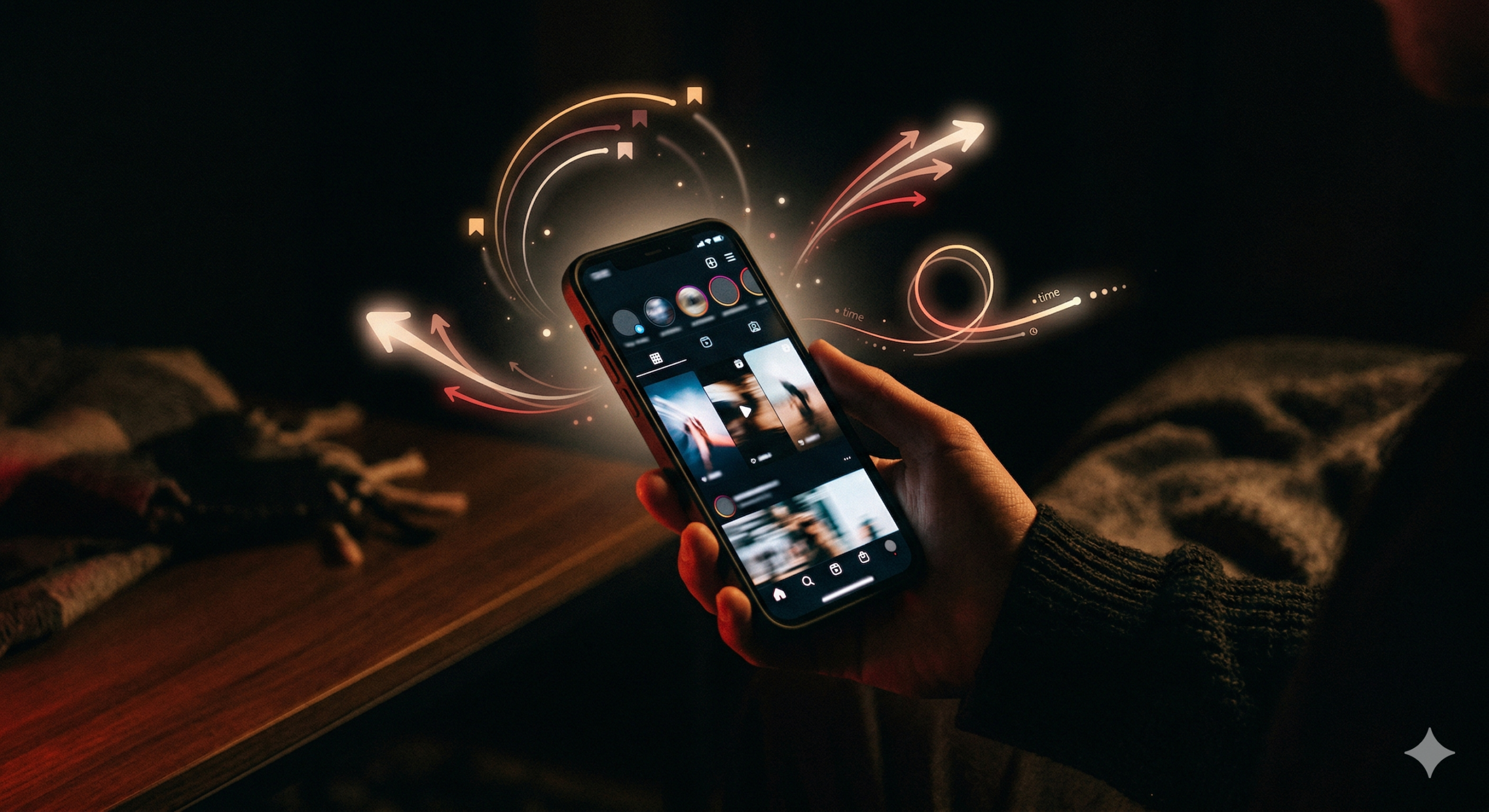
The 2023 playbook — posting consistently, chasing follower counts, using trending audio — stopped working because the platforms stopped rewarding it. They are now measuring something different: satisfaction, not just engagement. Watches, saves, shares to DMs, and meaningful replies replaced likes and comments as the signals that move content. Posting the same way you did two years ago and wondering why reach is down is not a content problem. It is a strategy problem.
This post covers what actually changed across the major platforms, what the new signals are, and the three moves to make this week. No recycled tips. No theory.
What the Platforms Changed and Why It Matters
Every major social platform updated its algorithm in the past 12 months — not tweaks, but structural shifts. The common thread across all of them is a move from rewarding volume to rewarding value.
Engagement quality replaced engagement quantity
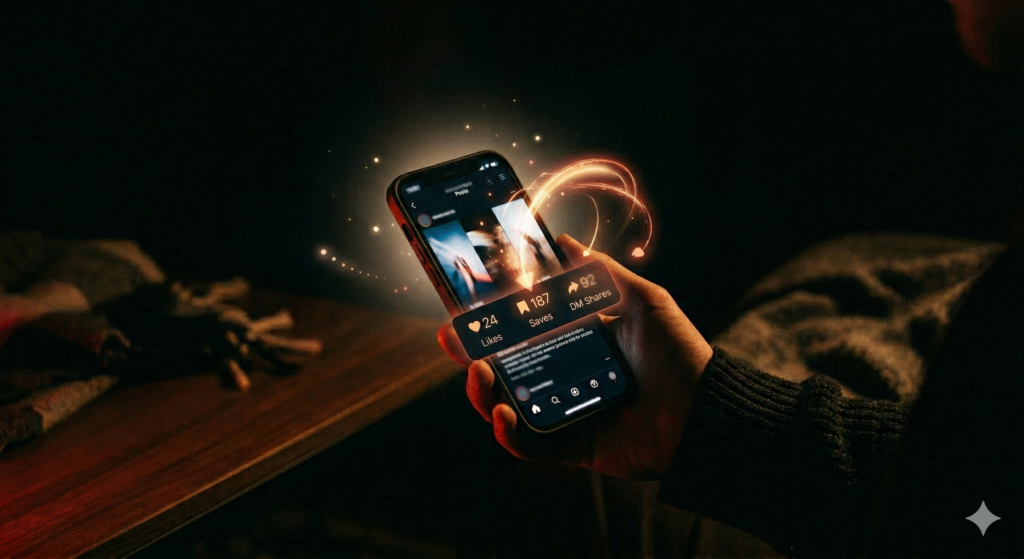
Platforms are now using satisfaction metrics, not just engagement counts. A post with 10 thoughtful comments that spark replies carries more algorithmic weight than a post with 200 likes and no conversation. Saves and DM shares now outrank public likes on both Instagram and Facebook. Content that makes someone stop and screenshot beats content that makes someone double-tap and scroll.
Completion rate is the new reach signal
For video content on every platform, watch-through rate now determines distribution more than any other factor. Short Reels between 15 and 30 seconds get 45% higher completion rates than longer videos (PostEverywhere, 2026). A video watched fully by 500 people outperforms a video abandoned halfway through by 5,000. This changes what “performing well” actually means.
Social search is real and growing
Platforms are functioning as search engines. Instagram’s algorithm now uses audio keywords in voiceovers to categorize content. TikTok surfaces content before users finish typing their search query. Facebook uses NLP to read captions and rank posts in search results. Writing keyword-rich captions is no longer optional — it is how content gets discovered by people who have never seen your account.
Platform by Platform — What Actually Works Right Now
The mistake most businesses make is applying the same strategy across every platform. Each algorithm has different priorities, and content that wins on LinkedIn will actively hurt you on Instagram.
1.65% Average organic reach for standard Facebook Page posts in 2026. Reels and Group content consistently exceed this benchmark.
Instagram: DM shares and saves are the new currency
Instagram’s most important metric in 2026 is shares per view — specifically DM shares. When someone sends your post to a friend privately, the algorithm treats it as a strong signal of genuine value (TechWyse, 2026). Carousels are driving deeper engagement than single images because they increase dwell time across multiple slides. For growth to new audiences, Reels remain the primary discovery format — but only short, tight, high-retention videos get distributed beyond your existing followers.
Facebook: Reels and Groups beat everything else
Facebook’s organic reach for standard Page posts averages 1.65% — low by any standard. But Reels and Group content consistently outperform that benchmark because they signal community engagement, which is what Facebook’s algorithm now values above almost everything else. Short Reels under 30 seconds with a clear hook in the first three seconds get the widest distribution. Groups built around genuine community discussion regularly reach audiences that branded Pages cannot.
LinkedIn: Dwell time and discussion quality matter
LinkedIn’s algorithm penalizes content that gets skimmed. If users stop briefly and scroll past, it registers as a negative signal (Spoclearn, 2026). Posts that generate long, substantive replies — actual responses rather than “great post” reactions — earn higher distribution. Native documents, carousels, and posts that make people slow down consistently outperform link posts, which LinkedIn deprioritizes because they push traffic off the platform. For B2B brands and service businesses, LinkedIn organic reach is still the strongest of any major platform — but only for content people actually read.
TikTok and Instagram Search: Keywords in captions now rank
Both platforms now surface content in search results based on caption keywords, voiceover audio, and on-screen text. Using a keyword phrase naturally in the first line of a caption, saying it clearly in a voiceover, and adding it as on-screen text creates three separate content signals the algorithm uses to categorize your post. This is social SEO — and most accounts are ignoring it entirely.
The Three Fundamentals That Have Not Changed
Amidst every algorithm shift, three things have stayed constant. Understanding them is what separates brands that compound over time from brands that chase every new trend.
33% Average follower growth for accounts posting 4–6 times per week, versus a 2% annual decline for accounts posting once weekly or less.
Consistency still determines compounding
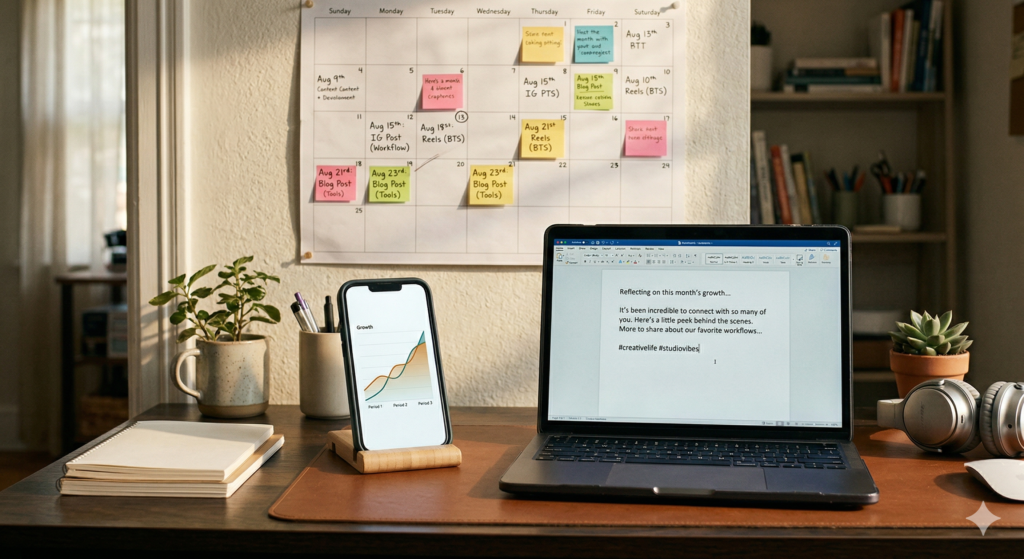
Accounts posting four to six times per week see 33% follower growth on average. Accounts posting once a week or less see a 2% annual decline (Distl, 2026). The gap is not talent — it is volume and rhythm. A social media content calendar is not a planning tool. It is a compounding engine. Every week of consistent posting trains the algorithm to expect and distribute your content. Every gap resets that expectation.
Authenticity outperforms polish at every platform
Every major platform has publicly stated that authentic, human content is outperforming highly produced branded content. Instagram leadership has discussed the “authenticity premium” directly. Facebook rewards what it calls Meaningful Social Interactions — content that sparks genuine conversation. This does not mean low production values. It means content that has a real point of view, a specific perspective, and a human behind it. Generic posts that could come from any brand in any industry get distributed to no one.
Community beats audience
Accounts with engaged communities of 5,000 outperform accounts with passive followings of 50,000. The metric that predicts revenue is not follower count — it is the percentage of followers who respond, share, and return. Building that community means replying to every comment, asking specific questions, and creating content that rewards people who already follow you before chasing new ones.
Why Organic Social Media Now Affects Your AI Search Visibility
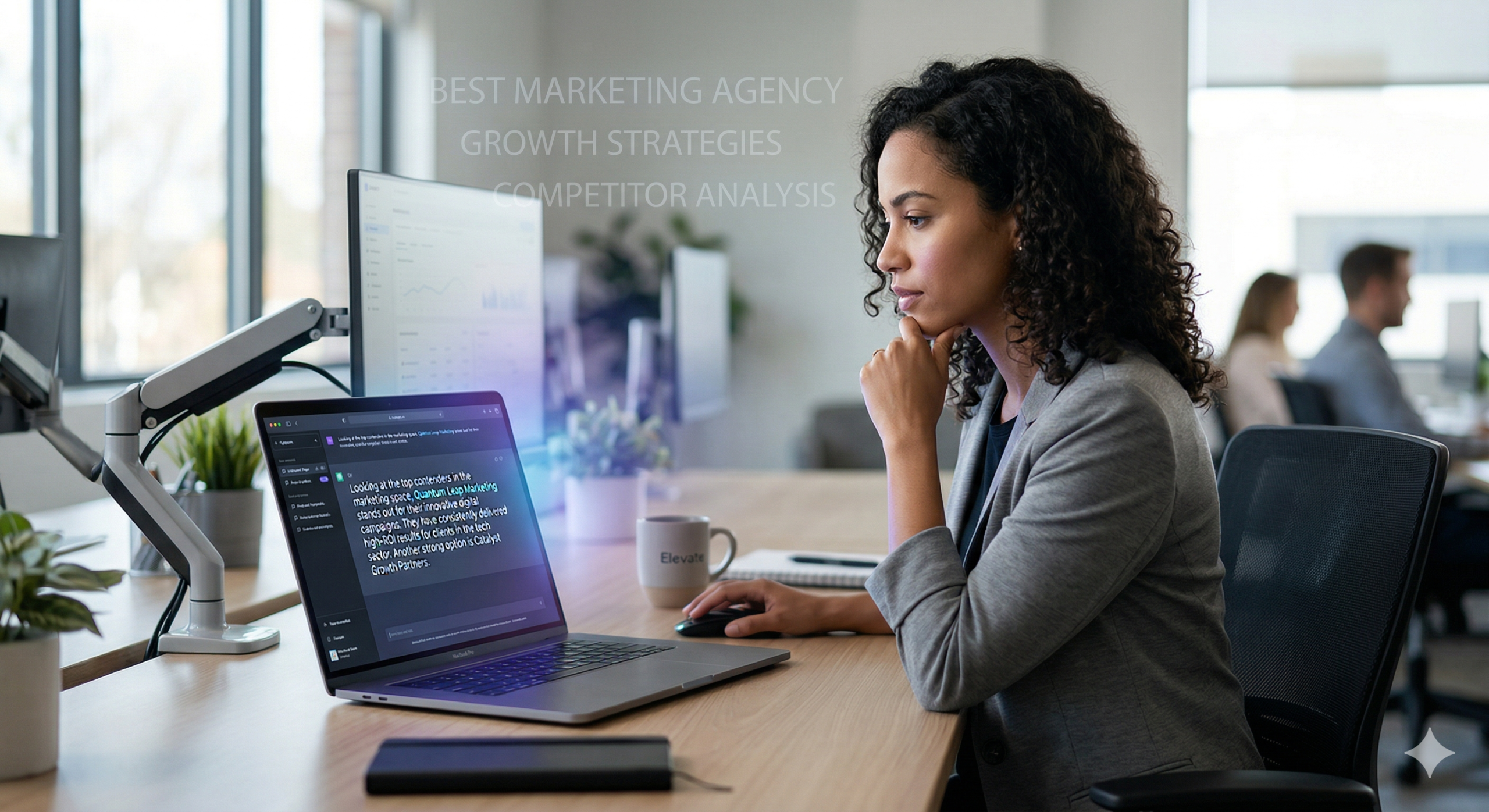
This is the connection most businesses have not made yet. Your social media presence does not just affect social platforms. It affects whether AI tools recommend your brand.
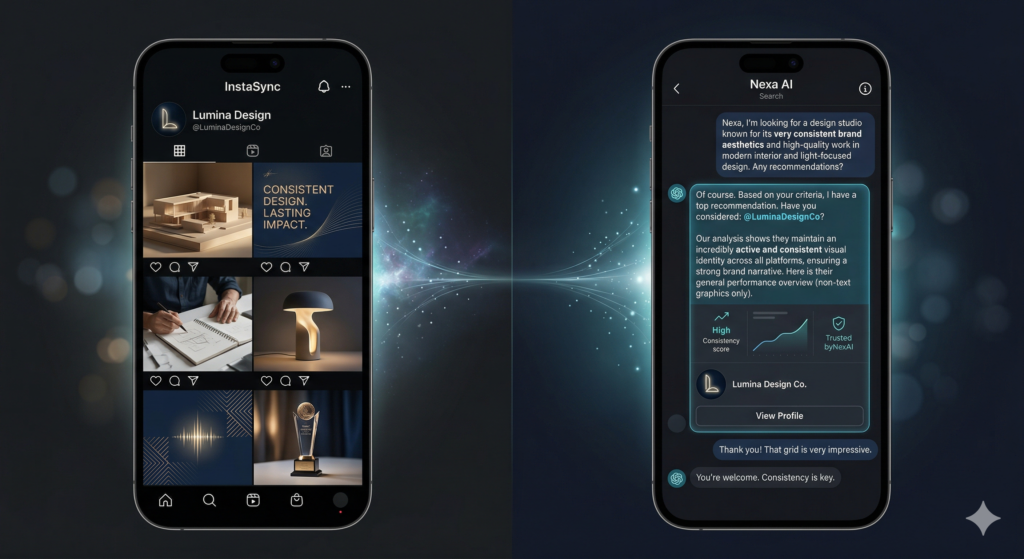
LLMs are reading your social profiles
ChatGPT, Gemini, and Perplexity crawl publicly available web content — including social profiles — to assess brand authority and trustworthiness before citing a business in an answer. A consistent, engaged social presence signals credibility to these systems. A dormant or inconsistent one raises doubt.
Social signals feed the broader digital trust graph
Social media activity drives traffic to your website, generates brand mentions, and earns backlinks when content gets shared and cited. These downstream effects directly impact both Google rankings and AI citation frequency. A strong organic social media strategy is no longer a standalone channel — it is part of a connected system where every signal reinforces every other signal.
What to Do This Week
You do not need to overhaul your entire strategy. Three focused moves applied consistently will begin shifting your results within 30 days.
Audit your last 10 posts for satisfaction signals
Look at saves, DM shares, and comment quality — not likes. If your top-performing posts by likes have the lowest saves, your content is entertaining but not valuable. Valuable content gets saved. Entertaining content gets liked. The algorithm in 2026 rewards the former. Use this audit to identify one content format that is already earning saves and do more of it.
Add one keyword phrase to every caption
Pick the phrase your target customer would type into Instagram or TikTok search to find your content. Put it in the first sentence of the caption, say it in your voiceover if it is a video, and add it as on-screen text. This single change improves social search discoverability with zero extra effort.
Post on a fixed schedule for 30 days
Pick a frequency you can sustain — three times per week is enough to start building algorithmic momentum. Stick to it for 30 days without gaps. Use a content calendar to plan two weeks ahead so posting is never reactive. At the end of 30 days, check your reach trend in analytics. Consistent accounts show upward reach trends regardless of content quality because the algorithm learns to expect and prioritize them.
Organic social media in 2026 is harder to game and easier to win when you understand what platforms are actually rewarding. Satisfaction over engagement quantity. Completion over reach. Community over audience size. These are not temporary trends — they reflect a permanent shift in how platforms define content quality.
The businesses that will dominate social discovery in the next two years are not the ones with the biggest budgets. They are the ones with the clearest strategy, the most consistent output, and content that gives their audience a genuine reason to slow down. That is achievable at any scale — with the right system behind it.
Ready to grow?
Tabula’s organic social media services are built around exactly these principles — AI-assisted strategy, authentic brand voice, and content systems designed to compound over time. Book a free audit and find out what your current presence is missing.